
"60 million bags"
400 article(s) found

Coffee common sense refreshing Colombian coffee
Coffee was first introduced to Colombia in 1808 when it was brought by a priest from the French Antilles via Venezuela. Today, the country is the second largest producer after Brazil, with an annual output of 13 million bags of 60 kg each, while Brazil produces 22 million bags a year. The status of coffee in Colombia can be seen in the following examples-all entering the

The development of coffee the trend of the world coffee market
The annual turnover of raw coffee beans is the second largest in the world. Coffee is produced in more than 70 countries around the world, with an annual output of 1 million bags. The development of the coffee industry has provided employment opportunities for 100 million people around the world. The international coffee market is at a mature stage. The coffee production of the exporting member countries of the International Coffee Organization accounts for more than 97% of the world's total output. While annual retail sales exceed $70 billion.
Increased consumption in Africa leads to tight supply of coffee
Brazil, the world's largest exporter of coffee, has suffered a decline in coffee production due to a severe drought, while local consumption of coffee in Africa, another major source of coffee exports, continues to grow, leading to a continuing strain on global coffee bean supply.

Latin American coffee industry in crisis Brazilian coffee production reduces Brazilian coffee growers
Professional coffee knowledge exchange more coffee bean information Please pay attention to the coffee workshop (Wechat official account cafe_style) International coffee bean prices have fallen to a 13-year low, prompting many disappointed farmers in Central and South American countries to give up cultivation, triggering fears that the coffee industry will fall into crisis. Experts pointed out that the outlook for coffee bean prices will depend on the exchange rate trend of Brazil's Lille. New York

Costa Rican Diamond Hill Manor single Black Coffee
Costa Rican coffee cultivation was introduced by Cuba in 1779 and exported for the first time in 1820. There are about 32000 coffee farmers, with an average planting area of less than one hectare (10000 hectares) per farmer. Costa Rica has a population of 41 billion (2006), with a coffee planting area of 82500 hectares and an annual production of 1.7 million bags (60kgs per bag). The annual domestic consumption is 380000 bags.

Basic knowledge of Colombian coffee boutique coffee beans
Coffee was first introduced to Colombia in 1808 when it was brought by a priest from the French Antilles via Venezuela. Today, the country is the second largest producer after Brazil, with an annual output of 13 million bags of 60 kg each, while Brazil produces 22 million bags a year. The status of coffee in Colombia can be seen in the following examples-all entering the

Coffee exports from Vietnam, the world's largest exporter of Robusta coffee, fell by 13.1% in 2019.
Professional coffee knowledge exchange more coffee bean information please follow the coffee workshop (Wechat official account cafe_style) Vietnam, the world's largest exporter of Robusta coffee, announced on the 29th that coffee exports in the first five months of this year fell 13.1% year-on-year to 767000 tons, equivalent to 12.78 million bags in 60 kilograms. At the same time, the export revenue of Vietnamese coffee decreased by 23% to US $1.31 billion.

What are the characteristics of Medellin coffee in Colombia? How to drink Medellin coffee in Colombia?
Professional coffee knowledge exchange More coffee bean information Please pay attention to coffee workshop (Weixin Official Accounts cafe_style) A cup of strong and mellow coffee, its origin is not simple yo! Colombia Coffee Colombia is the world's largest producer of premium coffee, traditionally dark roast coffee with a strong and memorable flavor. Colombia coffee is one of the few names in the world
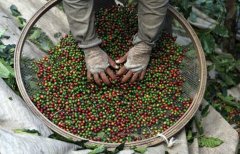
Prices plummet Latin American coffee industry is in crisis Colombian farmers switch to cocoa beans
Professional coffee knowledge exchange more coffee bean information Please pay attention to the coffee workshop (Wechat official account cafe_style) International coffee bean prices have fallen to a 13-year low, prompting many disappointed farmers in Central and South American countries to give up cultivation, triggering fears that the coffee industry will fall into crisis. Experts pointed out that the outlook for coffee bean prices will depend on the exchange rate trend of Brazil's Lille. New York

Introduction to the types of coffee the refreshing Colombian coffee
Coffee was first introduced to Colombia in 1808 when it was brought by a priest from the French Antilles via Venezuela. Today, the country is the second largest producer after Brazil, with an annual output of 13 million bags of 60 kg each, while Brazil produces 22 million bags a year. The status of coffee in Colombia can be seen in the following examples-all entering the

Boutique coffee beans at Diamond Hill Manor in Costa Rica
Costa Rican coffee cultivation was introduced by Cuba in 1779 and exported for the first time in 1820. There are about 32000 coffee farmers, with an average planting area of less than one hectare (10000 hectares) per farmer. Costa Rica has a population of 41 billion (2006), with a coffee planting area of 82500 hectares and an annual production of 1.7 million bags (60kgs per bag). The annual domestic consumption is 380000 bags.

Latest information Brazilian coffee exports fell 27% year on year in August global coffee prices soared nearly 50%
Brazilian coffee exports fell 27 percent year-on-year in August Brazilian coffee exporters Cecaf said that Brazilian coffee exports fell 27 percent year-on-year to 2.33 million bags (60 kilograms each) in August because containers and shipping space were hard to find. It is shown in Cecaf's monthly report

General knowledge of Coffee Culture the Development History of Colombian Coffee
Coffee was first introduced to Colombia in 1808 when it was brought by a priest from the French Antilles via Venezuela. Today, the country is the second largest producer after Brazil, with an annual output of 13 million bags of 60 kg each, while Brazil produces 22 million bags a year. The status of coffee in Colombia can be seen in the following examples-all entering the

Costa Rican Coffee House-Diamond Hill Coffee House Costa Rican Coffee House
Costa Rican coffee cultivation was introduced from Cuba in 1779 and exported for the first time in 1820. There are about 32,000 coffee farmers in Costa Rica, with an average cultivation area of less than one hectare (10,000 m2) per farmer. Costa Rica has a population of 4.1 million (2006), coffee cultivation area of 82,500 hectares, annual production of 1.7 million bags (60kgs per bag), annual domestic consumption of 380,000 bags, flat

The Origin of Ugandan Coffee Robota beans the flavor and characteristics of Ugandan coffee
For more information on coffee beans, please follow the coffee workshop (Wechat official account cafe_style) Uganda (Uganda) Uganda ranks eighth in the world in coffee production, on a par with Peru, and second in Africa after Ethiopia. Every year, Uganda usually produces 3 million to 4 million bags of 60 kilograms of coffee, accounting for only one percent of the world.
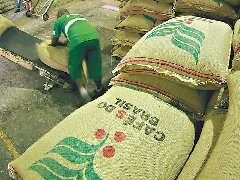
The price of raw coffee beans plummeted. Latin American coffee industry is in crisis. Farmers give up planting.
Professional coffee knowledge exchange more coffee bean information Please pay attention to the coffee workshop (Wechat official account cafe_style) International coffee bean prices have fallen to a 13-year low, prompting many disappointed farmers in Central and South American countries to give up cultivation, triggering fears that the coffee industry will fall into crisis. Experts pointed out that the outlook for coffee bean prices will depend on the exchange rate trend of Brazil's Lille. New York

Washed coffee and ripe beans at Diamond Hill Manor in Costa Rica
Costa Rican coffee cultivation was introduced by Cuba in 1779 and exported for the first time in 1820. There are about 32000 coffee farmers, with an average planting area of less than one hectare (10000 hectares) per farmer. Costa Rica has a population of 41 billion (2006), with a coffee planting area of 82500 hectares and an annual production of 1.7 million bags (60kgs per bag). The annual domestic consumption is 380000 bags.

Costa Rican Diamond Hill Manor washed SHB Kaddura Fine Coffee American Coffee
Costa Rican coffee cultivation was introduced by Cuba in 1779 and exported for the first time in 1820. There are about 32000 coffee farmers, with an average planting area of less than one hectare (10000 hectares) per farmer. Costa Rica has a population of 41 billion (2006), with a coffee planting area of 82500 hectares and an annual production of 1.7 million bags (60kgs per bag). The annual domestic consumption is 380000 bags.
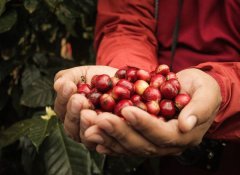
Costa Rica where coffee beans are grown in Central and South America.
Costa Rican coffee cultivation was introduced by Cuba in 1779 and exported for the first time in 1820. There are about 32000 coffee farmers, with an average planting area of less than one hectare (10000 hectares) per farmer. Costa Rica has a population of 41 billion (2006), with a coffee planting area of 82500 hectares and an annual production of 1.7 million bags (60kgs per bag). The annual domestic consumption is 380000 bags.